
Pregnancy brings many changes to the body, and your oral health is no exception. Hormonal shifts, changes in diet, and increased sensitivity can all affect your teeth and gums. Understanding the most common oral health problems during pregnancy can help you take proactive steps to protect your smile and overall health. Here are 4 issues to be aware of.
1. Pregnancy Gingivitis
One of the most common oral health concerns during pregnancy is pregnancy gingivitis. Increased hormone levels, particularly progesterone, can make your gums more sensitive to plaque buildup.
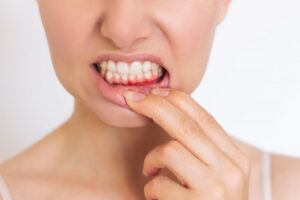
Symptoms may include red, swollen gums that bleed easily when brushing or flossing. While this condition is common, it shouldn’t be ignored. If left untreated, it can progress to more serious gum disease.
Maintaining a consistent oral hygiene routine and visiting your dentist for regular cleanings can help keep gingivitis under control.
2. Increased Risk of Tooth Decay
Pregnant women may be more prone to cavities due to changes in eating habits and oral environment. Cravings for sugary foods, frequent snacking, and even morning sickness can all contribute to enamel erosion and bacterial growth.
Vomiting exposes your teeth to stomach acids, which can weaken enamel over time. Rinsing your mouth with water or a fluoride rinse after episodes of nausea can help reduce this risk.
Brushing twice a day, flossing daily, and limiting sugary snacks are essential for preventing tooth decay during pregnancy.
3. Pregnancy Tumors
Despite the alarming name, pregnancy tumor is a benign (non-cancerous) growth that can develop on the gums during pregnancy. These growths are usually triggered by hormonal changes and irritation from plaque.
They often appear as small, red lumps that may bleed easily. While they can be uncomfortable, they are typically harmless and often disappear after childbirth.
If a pregnancy tumor becomes painful or interferes with eating or speaking, your dentist may recommend treatment.
4. Enamel Erosion
Frequent exposure to stomach acid from morning sickness can lead to enamel erosion. Over time, this can make your teeth more sensitive and vulnerable to decay.
To protect your enamel, avoid brushing immediately after vomiting, as your enamel is temporarily softened. Instead, rinse your mouth with water or a baking soda solution to neutralize acids, and wait about 30 minutes before brushing.
Using a soft-bristled toothbrush and fluoride toothpaste can also help strengthen and protect your enamel.
Caring for Your Smile During Pregnancy
Maintaining good oral health during pregnancy is not only important for you but also for your baby. Regular dental visits, proper brushing and flossing, and a balanced diet all play a role in keeping your mouth healthy.
Pregnancy-related oral health issues are common, but they are manageable with the right care. By staying informed and proactive, you can protect your teeth and gums throughout your pregnancy. If you notice any changes in your oral health, don’t hesitate to talk to your dentist.
About the Practice
Do you notice blood in the sink when you brush your teeth? Experience red and swollen gums? If so, you may benefit from periodontal therapy from the experts at Canyon Creek Family Dentistry of Richardson. With this service, our dentists will manage and heal your infected gums through procedures like scaling and root planing or Biolase laser treatment. After all, healthy gums are the foundation for a healthy smile. If your gums need attention, book online or call (972) 644-3800.