
Emergency Dentist in Richardson

Immediate Care in Times of Crisis

Person holding their cheek in pain

Although they are not pleasant to experience, dental emergencies are a common occurrence, especially if you or a loved one enjoy playing sports or engaging in physical activities (i.e., bike riding, hiking, running, etc.). Fortunately, at Canyon Creek Family Dentistry of Richardson, Dr. Afshin Azmoodeh is an emergency dentist in Richardson who knows how to quickly handle a situation. If you are struggling to deal with an unexpected dental injury and need help, don’t be afraid to contact our office.

Why Choose Canyon Creek Family Dentistry of Richardson for Emergency Dentistry?

  • Same-Day Appointments for Emergency Patients
  • Availability on Weekends and in the Evening
  • Highly Experienced Dentist by Your Side

How We Treat Dental Emergencies
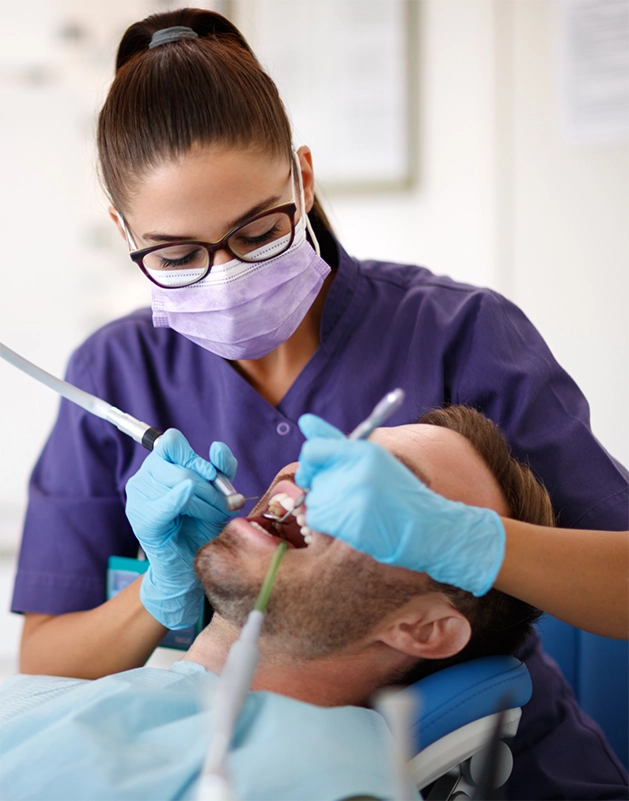
Emergency dentist in Richardson treating a patient
  • Same-day appointment: When facing a dental emergency, you do not want to wait to call your dentist. If you wait too long, we may not be able to save your tooth from an extraction. It is best to contact Canyon Creek Family Dentistry of Richardson right away to schedule a same-day appointment. We will treat the problem to restore your oral health, so you can get back to enjoying your day. A member of our team will give you the instructions you need when you call.
  • Dental exam: After you get to our office, Dr. Azmoodeh will perform a detailed exam. The exam may require digital X-rays to confirm the source of your dental emergency.
  • Reviewing our findings: Once the exam is complete, our team will provide recommendations to address your dental emergency as well as the estimated length and costs associated with your care.
  • Emergency dental services: The most common treatments we recommend for dental emergencies include dental fillings and crowns, root canal therapy, and tooth extractions, but they are not necessarily the only options available to you.

The Most Common Dental Emergencies

Knowing how to handle a dental emergency in Richardson can make a big difference. Not only do you want to avoid panicking when a crisis occurs but maintaining a level head will ensure your future smile isn’t negatively impacted by the choices you make at home. Below, you can read about the next steps you should take depending on the emergency you’re experiencing.

Root Canals
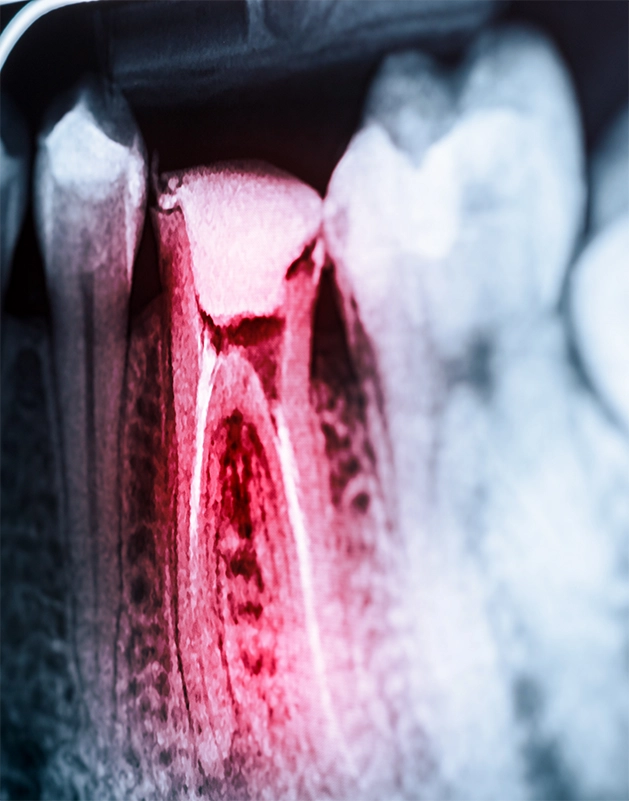
X-ray of an infected tooth

Root canals become necessary when either advanced tooth decay or a traumatic injury has exposed the inner portion of the tooth to infection. Thankfully, this service isn’t anything like its bad reputation! Our doctors will thoroughly treat and clean the tooth’s inner structure and canals in order to remove any diseased tissue, and today’s modern technologies and techniques will help you stay comfortable during the entire process. Teeth treated with root canal therapy can easily stay in your smile for many years after, too.

Learn More About Root Canal Treatment

Extractions & Wisdom Tooth Extractions
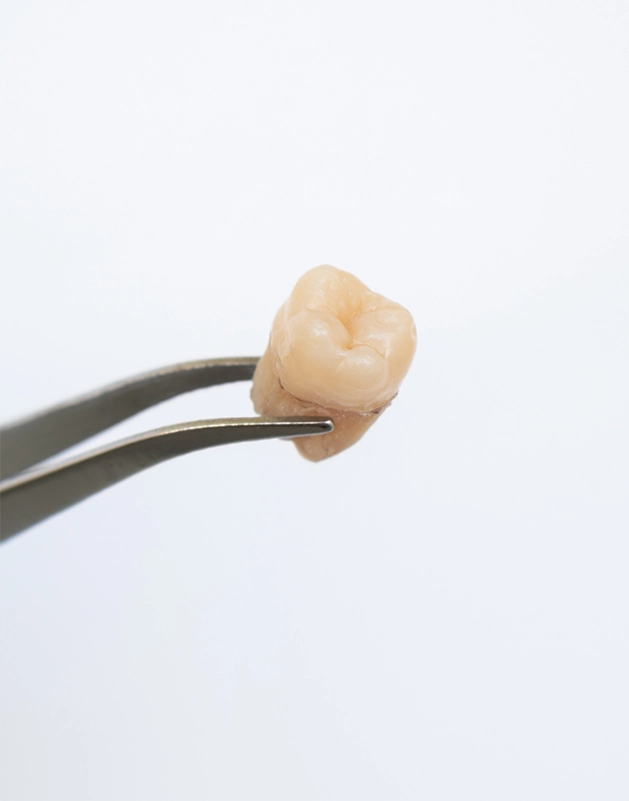
Tweezers holding an extracted tooth

If we had our way, all of our patients would be able to safely and successfully maintain of their natural teeth for life! Unfortunately, serious injuries, infections, and dangerous overcrowding are just some of the reasons why this isn’t always possible. Our doctors are trained in surgical care and can extract teeth smoothly while helping the patient remain at ease. We will also start working with you right away in order to arrange a restorative replacement if needed.

Learn More About Tooth Extractions

Learn More About Wisdom Tooth Extractions

Understanding the Cost of Emergency Dentistry

Dental team member answering the phone

Amid a dental emergency, the first priority is always to treat the root of the issue and restore your pain-free smile. However, it’s natural for patients to wonder about the bill associated with urgent treatment. While there is no all-encompassing answer when it comes to the cost of emergency dentistry in Richardson, there are a few factors that play a role across the board. Keep reading to learn more!

Every Dental Emergency Is Different
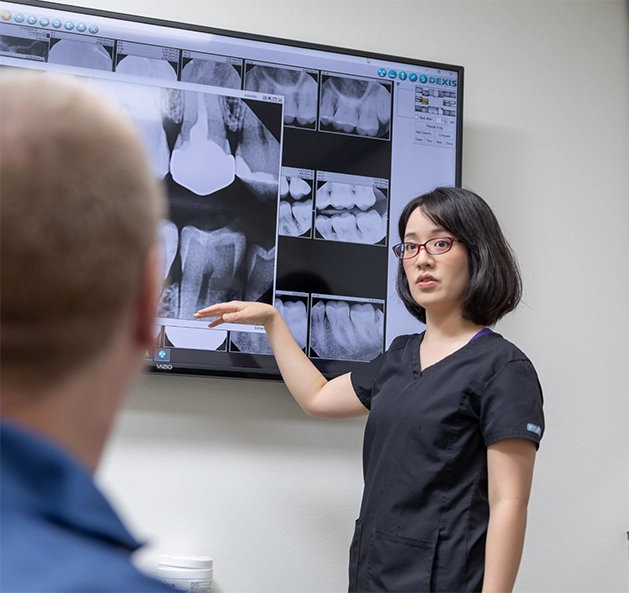
Dentist showing a patient x-rays of their teeth

No two dental emergencies are alike. As a result, the only way to know how much your visit and treatment will cost is to schedule an appointment and come in to see our team. It is during this visit that our emergency dentist in Richardson will examine your problem area and recommend which treatment option(s) will help to repair and restore your smile. From antibiotics to root canal therapy or tooth extraction, the prices will vary, but do not worry, as our team at Canyon Creek Family Dentistry of Richardson will be happy to help. Not only will we formulate a thorough cost estimate for you to review, but we will go over the cost of treatment and recommend helpful ways to lower your out-of-pocket expenses.

Practicing Good Dental Habits Can Save You Money

Woman and her young daughter brushing their teeth together

Although dental emergencies aren’t entirely preventable, practicing good dental care habits can significantly reduce your risk of experiencing one. Following a solid at-home oral hygiene routine will help protect you from a dental injury stemming from a decayed, cracked, or otherwise damaged tooth. Other best practices, like limiting your sugar intake and not using tobacco products, will also help keep your teeth and gums healthy. Lastly, visiting your dentist bi-yearly will ensure dental problems are detected and treated in the early stages, saving you thousands on restorative and cosmetic dental care down the line.

Does Dental Insurance Cover Dental Emergencies?

Dental team member talking with a patient at the front desk

Typically, the answer is yes! However, since dental plans vary from patient to patient, it’s important to review the fine print on yours. For example, some patients have one emergency exam covered per year while others can expect 50% - 80% of the cost of restorative treatments (i.e., root canal therapy, dental crowns, etc.) to be covered. Don’t worry – our knowledgeable team is here to make utilizing your benefits as stress-free as possible. That’s why we’ll handle the paperwork, explain your benefits, and provide you with an estimate upfront.

Other Options for Making Dental Emergencies Affordable
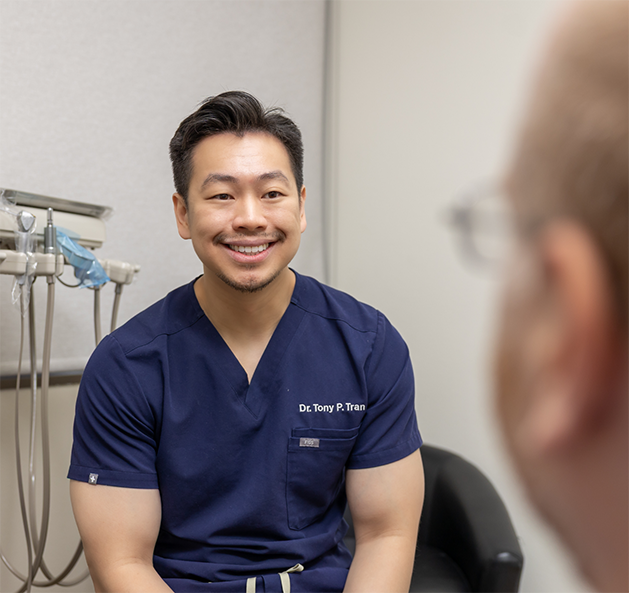
Doctor Tran smiling at a patient

Having a dental plan through your employer isn’t the only way you can make the cost of emergency dental care more affordable. In addition to welcoming dental insurance and Medicaid, our team at Canyon Creek Family Dentistry of Richardson is also happy to accept flexible financing and extend periodic special offers!

While trusted third-party financiers like Cherry or CareCredit allow you to break down the cost of your treatment into budget-friendly chunks, our special offers help you save on some of our most popular services.

Keys to Preventing Dental Emergencies

Blonde woman smiling in a yellow blouse

As with many emergency situations in life, it’s best to be prepared and avoid potential emergency scenarios if at all possible. While this is not always feasible, you can take certain precautions to lower the risk and keep your teeth permanently intact and your gums free of damage. Fortunately, preventing dental emergencies involves implementing relatively small healthy habits into your lifestyle, but they can have a huge impact in preserving your smile in the long term.

Visit Your Dentist Regularly
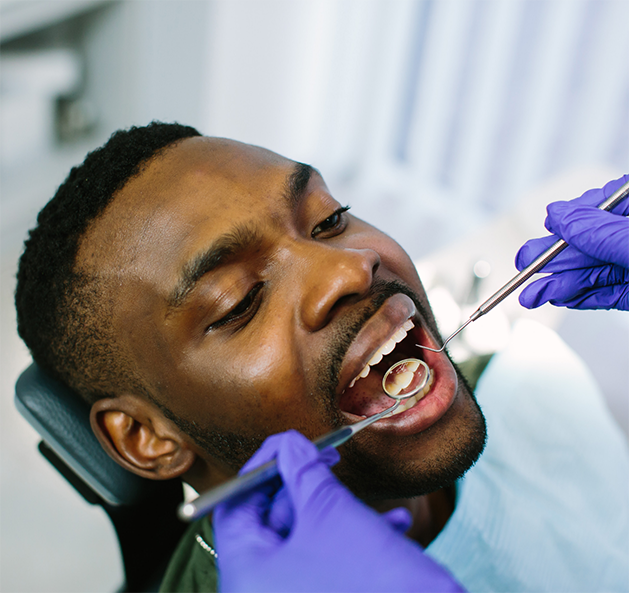
Man getting a dental checkup

No matter how thorough you are in your hygiene routine, you need to come to see Dr. Azmoodeh at least every six months for a checkup and a professional dental cleaning. Plaque can slowly build up over time, and once it has hardened, it is difficult to remove otherwise. These routine appointments stop bacteria from getting out of control in your mouth and gives us a chance to spot trouble early on—before it causes you pain or leads to a more serious situation.

Maintain Good Oral Hygiene at Home
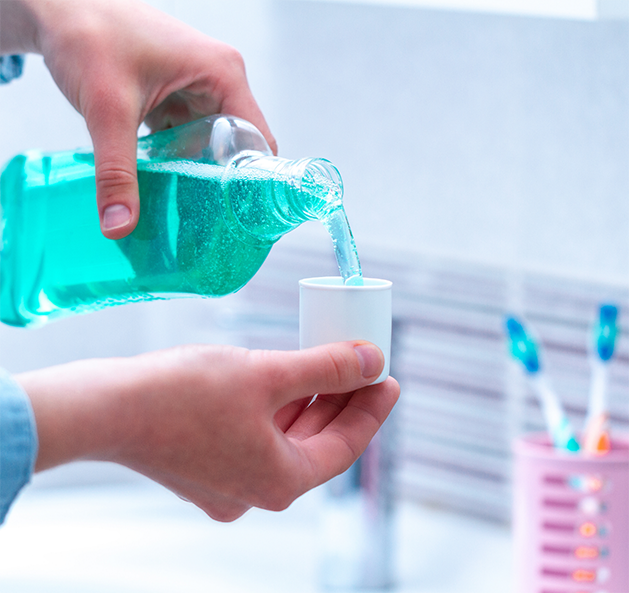
Person using mouthwash

Staying on top of your oral hygiene routine is just as important as your regular visits to the dentist. When you brush, make sure you do it twice daily for two full minutes, and floss at least once a day. For extra help in controlling bacteria and strengthening your tooth enamel, you can rinse with an antimicrobial or fluoride mouthwash. Taking care of your teeth and gums for a little bit of time every day is worth the effort so that you can enjoy a strong smile.

Stick to a Nutritious Diet

Woman eating a parfait

No matter how well you chew your food, some of it remains in your mouth, which means that bacteria can feed on it as well. They thrive on sugary, starchy foods, which means that if you overindulge in sweets, you are essentially increasing the number of harmful bacteria in your mouth. On the other hand, if you eat nutritious fruits and vegetables, such as apples, leafy greens, celery, carrots, melons, and more, you provide your body with the vitamins and minerals necessary to fight infection. These foods also promote saliva production, which helps rinse plaque and bacteria away. You should also consider avoiding hard, crunchy foods that can break, chip, or seriously damage your teeth.

Wear a Mouthguard
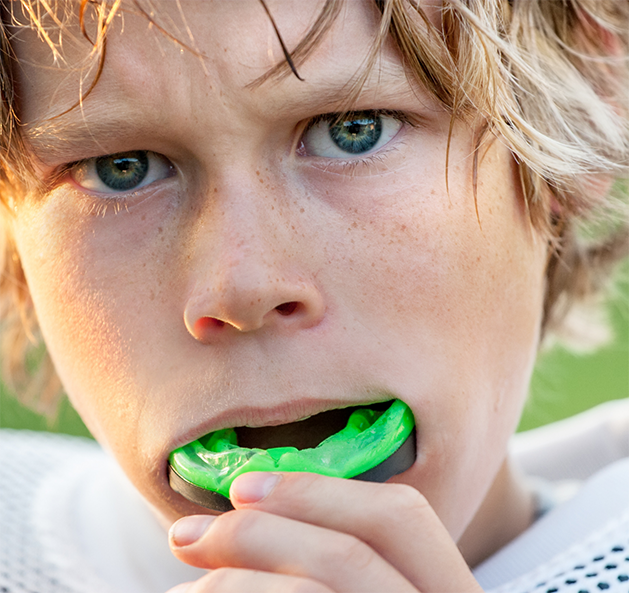
Young boy putting a mouthguard over his teeth

Do you play sports where an impact to the face might happen? Participating in some activities like football, rugby, or hockey obviously necessitates wearing a mouthguard to protect your smile. However, even sports like soccer or basketball may involve a blow to the mouth, which means you could benefit from wearing a custom mouthguard. In addition, a special mouthguard may be necessary before you go to bed to prevent teeth grinding while you sleep, a condition called bruxism.

Use Tools to Open Packages, Not Your Teeth
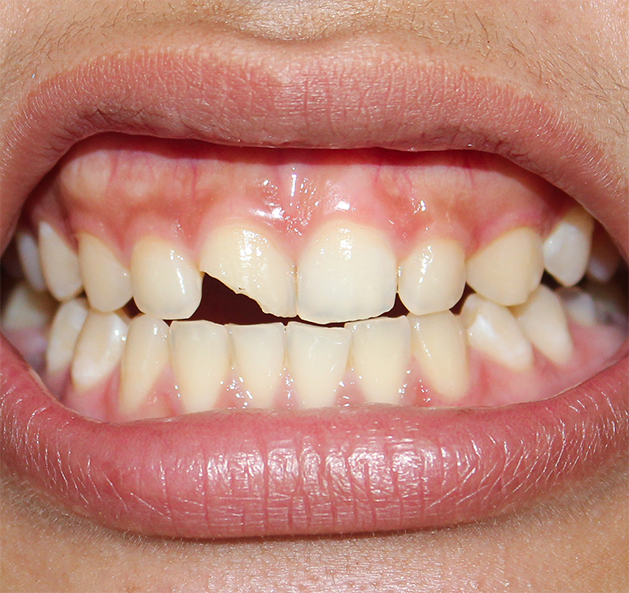
Close up of a chipped front tooth

As tempting as it might be to save a minute or two, never use your teeth to open packages or containers. Take the time to find scissors or whatever tool will help you so that you can spare your teeth from chips, cracks, or other damage.

Dental Emergency FAQs 

How do I know if I’m having a dental emergency?

Because dental discomfort is fairly common, how do you know if you’re having a true dental emergency? The first sign is that there is pain or discomfort to the point that you can’t focus on your normal day-to-day tasks. During these situations, you should call our office right away for the next steps. In some cases, what may seem like a toothache could just be a piece of lodged food debris. A good way to check for this is to rinse your mouth out and floss around the area. If the pain persists, call our office immediately for treatment. Chipped, cracked, broken, or lost teeth are also common dental emergencies that can occur.

Which emergency dental treatment will I need?

We offer various emergency dentistry services and the treatment best for you will directly depend on the problem affecting your smile. You can describe to us exactly what’s going on over the phone, but we will usually have to examine your mouth before recommending the best solution. Our restorative options are custom-made to seamlessly blend into the rest of your smile. Because Dr. Azmoodeh offers a wide range of treatments, we are confident that we can help you get out of pain in the event of any dental emergency.

How much will my dental emergency cost?

Because there are so many different types of dental emergencies that can occur, it’s difficult to know the cost of your treatment before we determine the problem that is affecting your smile. Dr. Azmoodeh, an expert dentist in Richardson, will carefully examine your mouth before developing a personalized treatment plan that includes a price estimate. From there, we can help you get back to a full and healthy smile.

When is a root canal necessary?

Root canal therapy is one of the most important treatments we have to offer because it can successfully remove decayed or infected parts of your tooth without having to extract them completely. We provide root canals when your tooth has become infected. Before root canals, this problem would be treated by extracting the tooth to relieve pain and prevent the infection from spreading. However, today, root canals allow us to keep your natural smile intact while providing you with much-needed relief.

If you have any other questions, please don’t hesitate to contact our office to speak with one of our friendly staff members.

Toothaches

Is my toothache a dental emergency? Toothaches can develop for many different reasons, all of which ranging from minor to severe. The best way to determine if your toothache is a dental emergency is to ask yourself these questions:

  • Has the toothache been present for multiple days?
  • Is the pain getting worse?
  • Do you also have a fever?
  • Is there a pimple-like bump on your gums near the tooth in pain?

If you answered yes to any of these questions, call our office immediately.

How you should handle a toothache: Use dental floss to remove any food debris that may be stuck in between your teeth. Brush your teeth and rinse your mouth out with water. If pain persists, take ibuprofen and call our office. Do not pop any pimple-like bumps that may have developed on your gums.

How we treat toothaches: Dr. Azmoodeh needs to examine your mouth first before he can recommend a treatment for your toothache. However, the most common treatments he provides for toothaches, depending on their severity and cause, can include dental fillings, crowns, antibiotics, gum disease treatment, root canal therapy, and extractions in severe cases.

Learn More About Tooth-Colored Fillings Learn More About Root Canal Therapy Learn More About Tooth Extractions Learn More About Gum Disease Treatment

Chipped Tooth

Is a chipped tooth a dental emergency?  When a tooth is chipped, it’s generally not urgent to get to our office unless the chip is severe or you experience a lot of pain. You should still call our office to set up an appointment as chipped teeth can easily damage oral tissue or break further without professional treatment.

How you should handle a chipped tooth: Find any and all pieces of your tooth that you can and bring them with you to our office. Use a cold compress to relieve any swelling by applying it to your cheek for 10 minutes at a time. Then, remove for an additional 10 minutes. Do this for up to one hour.

How we treat chipped teeth: We can fix most cases of chipped teeth with direct bonding, but severe cases may be better addressed with a veneer. This option is more ideal for chipped teeth that make up your visible smile.

Learn More About Direct Bonding Learn More About Veneers

Cracked Tooth

Is a cracked tooth a dental emergency? When minor damage is present, it’s not usually a dental emergency. With that said, severe damage needs to be treated immediately as the risk of the tooth fracturing further or developing an infection is much higher. You should also call if you notice sensitivity, pain, or issues when biting down, especially if an oral injury just occurred. You should always call if a tooth cracks as not all cracks are visible to the naked eye, meaning you could have damage without realizing it.

How you should handle a cracked tooth: Take painkillers as needed and use a cold compress to relieve any discomfort or swelling for 10 minutes. Remove for an additional 10 minutes, then repeat this process for up to one hour.

How we treat cracked teeth: When damage is minimal, direct bonding is typically enough to prevent future cracks. However, severe damage will likely need to be treated with a dental crown. If the tooth cannot be saved, an extraction may be performed.

Learn More About Direct Bonding Learn More About Dental Crowns

Very Sensitive Teeth

Are very sensitive teeth a dental emergency? Tooth sensitivity is a sign that the outer layers of your enamel are wearing down or that your tooth’s roots are starting to become exposed. There are many potential causes to these side effects, including overuse of teeth whitening products, brushing or flossing too hard, eating too many acidic foods, teeth grinding, and others. However, it’s mainly considered an emergency if the sensitivity is severe or long-lasting, a toothache develops, or if you notice problems in just one or two specific teeth.

How you should handle sensitive teeth: You should start by calling our office so we can learn more about your symptoms and get you scheduled for an exam. You may be able to relieve symptoms with certain lifestyle changes, such as using a different toothpaste. Drinking plenty of lukewarm water and keeping your mouth clean can also help, as well as avoiding spicy, acidic, or sweet foods and drinks. Take over-the-counter painkillers as needed.

How we treat tooth sensitivity: The cause of your sensitivity will directly influence what treatment we recommend. For example, eroded enamel can be addressed with desensitizing toothpastes, prescription mouthwashes, or a topical fluoride treatment from our office. However, more complex issues like infections (either in the gums or teeth) can require the use of antibiotics, gum therapy, or root canals.

Learn More About Fluoride Treatments Learn More About Tooth-Colored Fillings Learn More About Gum Disease Therapy Learn More About Root Canal Therapy

Knocked-Out Tooth

Is a knocked-out tooth a dental emergency? If your tooth has been knocked out, it’s important that you act quickly. Call our office and schedule an emergency appointment as soon as possible. The sooner you get to our practice for care, the more likely you’ll be able to save the tooth and avoid the need for a replacement.

How you should handle a knocked-out tooth: Start by finding the tooth and picking it up by the top (crown) portion only. Avoid touching the root or any tissue that is attached. Place the tooth in a container of milk or saliva if milk is not available to you. You can also use saline solution, saltwater, or an ADA-approved tooth preservation kit.

How we treat knocked-out teeth: Sometimes teeth can be reimplanted if you get to our office quickly enough. However, the chances of the tooth being viable dramatically drops after it spends more than one hour outside of the mouth. If the tooth cannot be saved, we will instead recommend your options for tooth replacement. This can include dental bridges, dentures, and dental implants.

Learn More About Dental Bridges Learn More About Dentures Learn More About Dental Implants

Lost Filling or Crown

Is a lost filling or crown a dental emergency? Dental restorations are designed to last a long time, but they won’t last forever. This means they can break or fall off if they are very old. While it’s not a dental emergency when a filling or crown comes off, it can put your tooth at greater risk of infection or decay. For that reason, you should still call our office to schedule an appointment.

How you should handle a lost filling or crown: Try to find the filling or crown and bring it to our office for closer examination. A dental filling should not be placed back into a tooth if it comes out, but a dental crown may be reseated with dental cement to cover the exposed tooth temporarily. However, this should not be considered a permanent solution.

How we treat lost fillings or crowns: Dental fillings will likely need to be replaced outright, especially if they are over 10 years old. With that said, dental crowns could be reseated by our office if they are not too damaged. Otherwise, the crown would need to be replaced as well.

Learn More About Tooth-Colored Fillings Learn More About Metal-Free Dental Crowns

Broken Dentures

Is My Broken Denture a Dental Emergency? Definitely! If your denture gets broken, you’ll find it difficult to eat without discomfort. In fact, a broken denture can harm any remaining teeth or your soft tissues, so it’s important to fix the problem right away.

How You Should Handle a Broken Denture: Do not try to continue wearing the broken denture. Give our office a call to schedule an immediate appointment so that we can give you back your freedom and your confidence.

How We Treat Broken Dentures: In office, we have the capability to make small adjustments to dentures if necessary, but if the denture has been significantly damaged, we will need to replace it entirely. That way, your prosthetic teeth are sure to feel as natural and strong as possible.

Learn More About Dentures Learn More About Dental Implants

Loose Permanent Tooth 

Is a Loose Permanent Tooth a Dental Emergency? After your permanent teeth have erupted, they shouldn’t feel loose. If they do, it’s a sure sign of trouble. Often, this occurs because of trauma or because of advanced periodontal disease, which is the leading cause of tooth loss in adults worldwide. As a result, you should contact us immediately.

How You Should Handle Loose Permanent Teeth: Try to not disturb the tooth and avoid eating hard or sticky foods that could cause the tooth to come out completely. Keep in mind that we will do everything we can to save your permanent tooth, but extraction may be necessary for the overall good of your smile.

How We Treat Loose Permanent Teeth: If you have had dental trauma, we may be able to rescue the tooth with a splint, which holds the tooth in place by attaching it to healthy teeth surrounding it. In the case of gum disease, we can perform therapies to get rid of the infection, but again remember that we may need to extract the tooth and start over with replacements.

Learn More About Gum Disease Therapy Learn More About Tooth Extractions Learn More About Dental Bridges Learn More About Dental Implants

Injury to the Gums, Lips, or Tongue 

Is an Injury to the Gums, Lips, or Tongue a Dental Emergency?: It depends on how badly injured these tissues are. Kids especially are prone to accidentally biting their lips or tongue, and athletes may receive a hit to the face. Soft tissues tend to heal quickly, but they can also impact your teeth or other oral structures, so it may still be a good idea to have your injury checked out.

How You Should Handle an Injury to the Gums, Lips, or Tongue: Your first priority should be stopping any bleeding. Normally, bleeding should stop in under 10 minutes. If the injury continues bleeding after that point, you should go to the emergency room. Otherwise, contact our office to be checked out by Dr. Azmoodeh just to be sure that nothing else is wrong.

How We Treat Injuries to the Gums, Lips, or Tongue: After examining your mouth, if we find anything amiss, we’ll address the issue. Otherwise, we will tell you to keep a close eye on your injury as it heals to watch out for signs of infection.

Jaw Pain

Is Jaw Pain a Dental Emergency? Most of the time, not really. It is estimated that around 12 percent of people experience difficulty with their jaw joint. If the condition gets worse or makes everyday functions too painful, then it may be considered a dental emergency.

How You Should Handle Jaw Pain: At home, you can utilize hot and cold therapies on the jaw joint to help loosen and soothe the muscles. You can also take over-the-counter relievers to address your pain. If, however, your condition worsens or persists beyond several days, you may want to schedule an appointment with us.

How We Treat Jaw Pain: Your treatment will greatly vary based on the cause of the problem. If your jaw pain is the result of clenching or grinding your teeth while you sleep, then we can provide a custom nightguard. Or, if your bite is misaligned, we correct it through orthodontic treatment.

Learn More About Nightguards for Bruxism Learn More About TMJ Therapy

Something Stuck Between the Teeth 

Although a little bit of food wedged in the small cracks between your teeth may not seem like a big deal, it can gently and slowly push your teeth apart, changing your teeth’s alignment. In most cases, you should be able to remove a stuck piece of food or debris from in between teeth using a piece of floss. Gently glide it in and use the floss to coerce the object out. If that doesn’t work, do not use a knife or other sharp instrument: you could damage your teeth or your soft tissues. Instead, give our team a call, and we’ll book an emergency appointment for you.