
Dental Implant Failure & Salvage in Richardson
Save Your Restored Smile
Dental implants are successful in the vast majority of cases, so there is no need to be unduly worried that something will go wrong with your new teeth. However, it must still be acknowledged that dental implant failure is always a small possibility. If you ever believe that something is wrong with one of your implants, contact our Richardson dental team right away. We will examine your mouth, determine what is causing the problem, and recommend a plan to save your restored smile.
Why Choose Canyon Creek Family Dentistry of Richardson for Implant Salvage?
- Advanced CBCT Imaging for Precise Diagnoses
- Knowledgeable Team of Dentists
- Honest, Minimally-Invasive Dentistry
Why Do Dental Implants Fail?
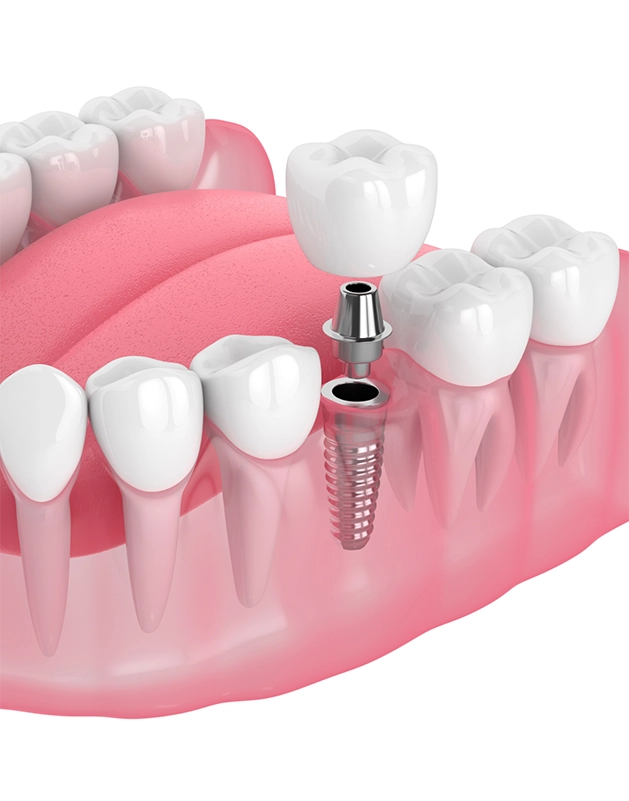
Usually, when dental implants fail, it is because of an infection known as peri-implantitis. It occurs when harmful bacteria invade the gums around an implant. Eventually, it may attack the underlying bone and cause it to deteriorate to the point where it can no longer support the implant. Often, poor oral hygiene is a major contributing factor to peri-implantitis.
Other possible causes of dental implant failure include:
- Failure of the jawbone to bond with the implant.
- Underlying medical conditions, such as some types of cancer.
- Physical trauma, such as what may be caused by an accident or long-term teeth grinding.
Symptoms of a Failed Dental Implant

Dental implant failure can happen at any time, even months, years, or decades following the initial placement surgery. Therefore, it is important that you are always on the lookout for symptoms of a failed implant, including:
- Unexplained pain. After you heal from your placement surgery, your implants should feel comfortable in your mouth. Severe or unusual pain is a red flag that should not be ignored.
- Difficulty chewing. It should be easy for you to eat a wide variety of foods with your implants. Difficulties indicate a need to schedule a dental appointment.
- Signs of infection. Redness, swelling, pus, and gum recession are all possible signs of peri-implantitis.
- An implant feels loose. This could be an issue with the implant itself or the restoration on top of it.
How Dental Implant Salvage Works

You should schedule a dental appointment as soon as you suspect that something is amiss with your implants. The earlier you receive care, the more likely it is that we can address the problem via conservative means.
When you come to our office, we will examine your mouth, take some X-rays, and learn about your symptoms. Then, we will advise you on your next steps. You might need something relatively simple, such as a course of antibiotics or a new restoration. However, there is also the chance that we will need to completely remove the failing implant. After a healing period and further restorative care, you may be able to receive a new one.